Gaudí's Year at Baix Llobregat region
The commemoration of the centennial of Antoni Gaudí's death constitutes a unique opportunity to explore the rich Modernist heritage of Baix Llobregat region.
As a creative laboratory for Gaudí and other Modernist architects, the region played a crucial role of Catalan Modernism development. It was a territory where the movement not only manifested in singular architectural masterpieces, but was also a space for experimentation, construction, and everyday life.
Gaudi's Crypt, the creative Lab of Colònia Güell
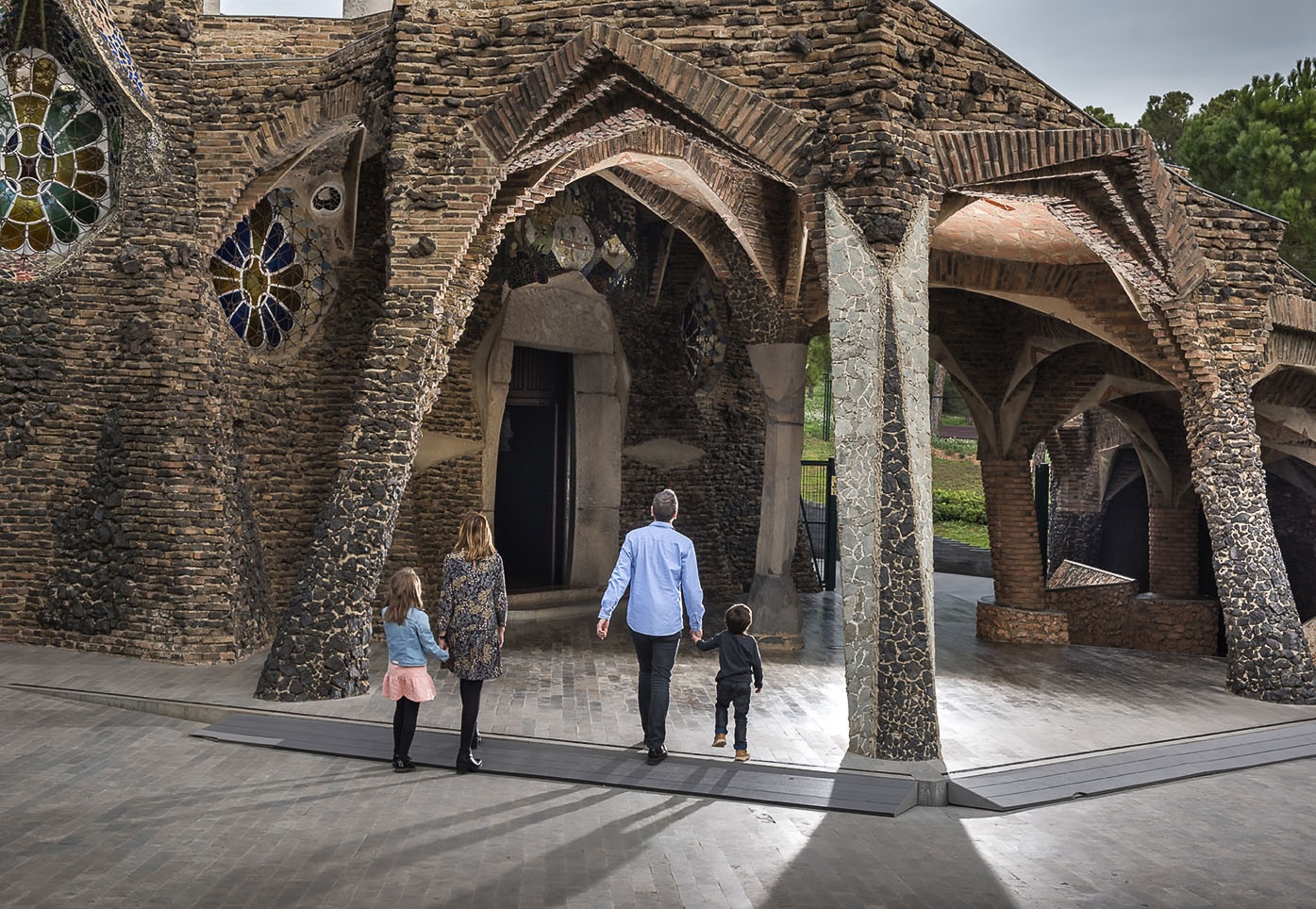
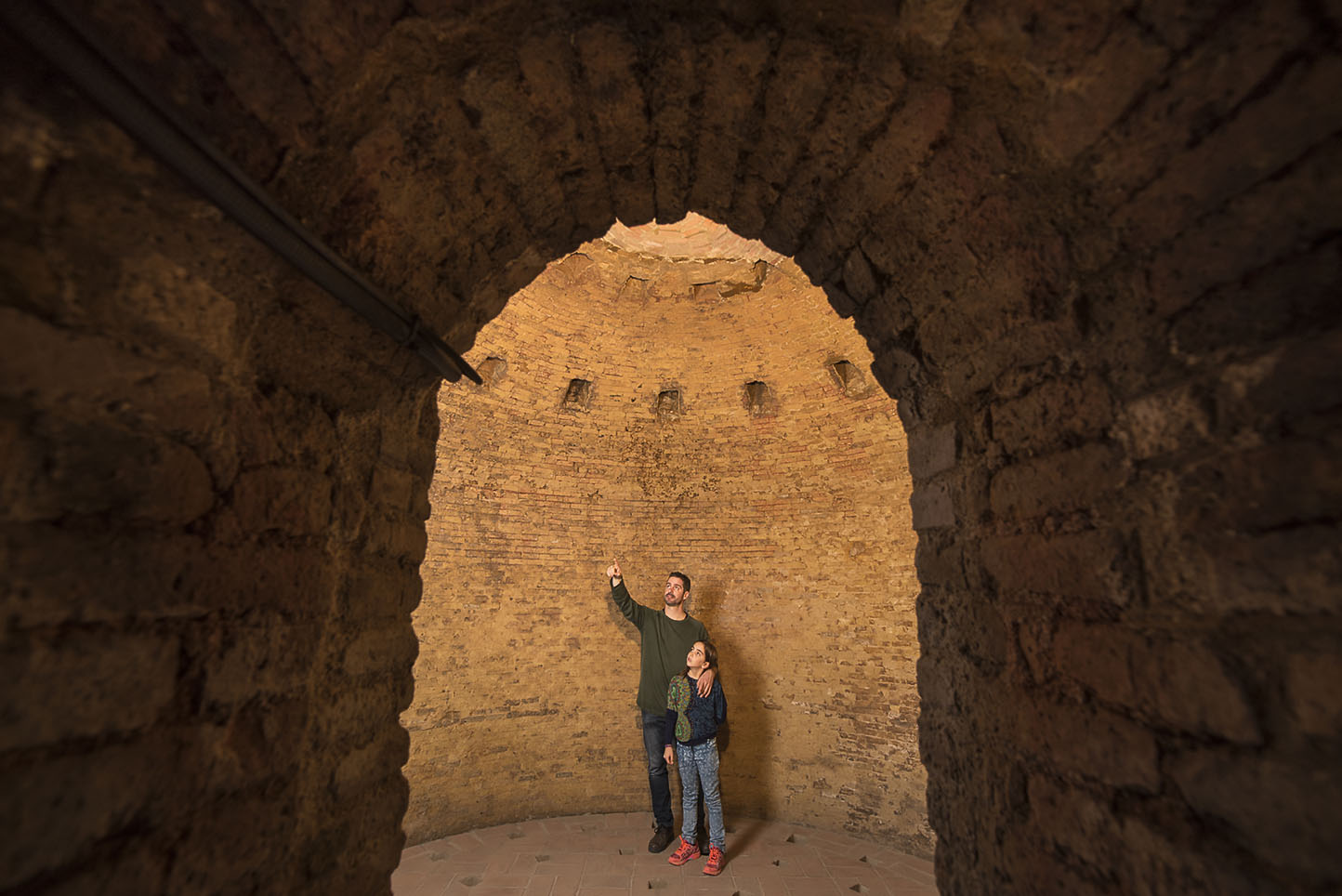
The crown jewel is the Crypt of the Colònia Güell in Santa Coloma de Cervelló, declared a UNESCO World Heritage Site in July 2005. This is the very masterpiece where Gaudí experimented with the structural solutions he would later apply to the Sagrada Família—an unfinished building that, paradoxically, remains one of the most innovative creations of his career.
While admiring Gaudí’s work, you can take a guided tour of Gaudí’s Garden, located just behind the Crypt, which features an exhibition of materials and elements that were never used.
Make the most of your visit by immersing yourself in the Colònia Güell. This exceptional industrial village offers a unique glimpse into one of the most significant examples of Catalan industrial Modernisme, boasting streets and buildings of immense architectural and historical interest.
Footprint of Modernisme
The Baix Llobregat region hides some of the best-kept secrets of Catalan Modernisme.
The region was the setting for seminal projects by Antoni Gaudí and Josep Maria Jujol, two of the architects who shaped one of Europe's most distinctive artistic movements. To explore Modernisme in the Baix Llobregat is to encounter Gaudí, Jujol and other renowned architects in their natural context: the landscape where they conceived, experimented and built.
Gaudí Year 2026 Agenda
The Baix Llobregat region marks the Gaudi Year with an extensive program of events, including special visits,concerts,guided routes and workshops


Jujol, a fascinating architect
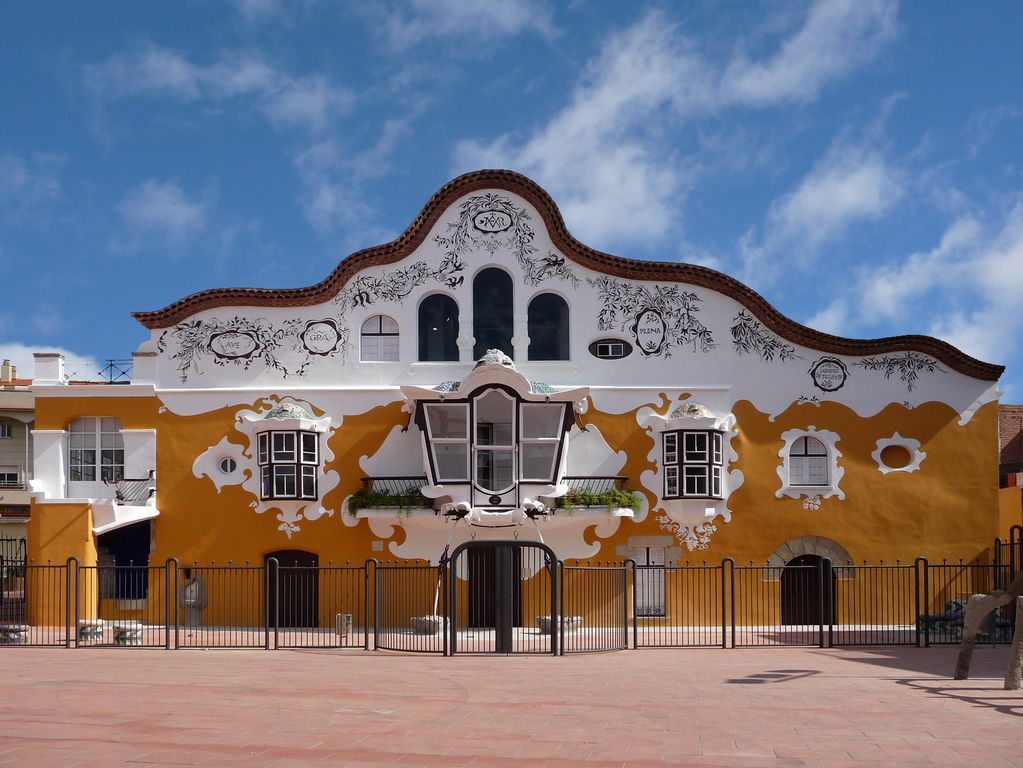
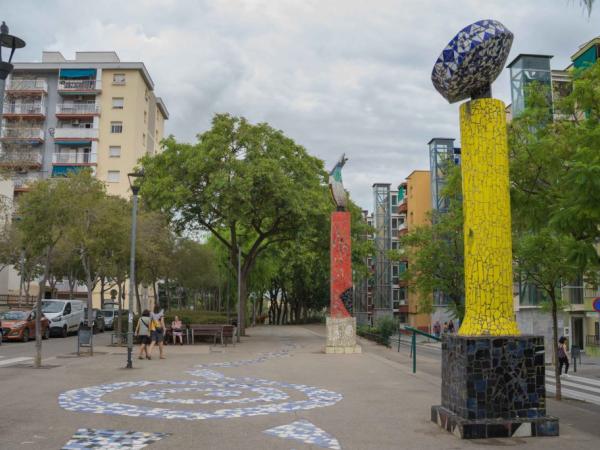
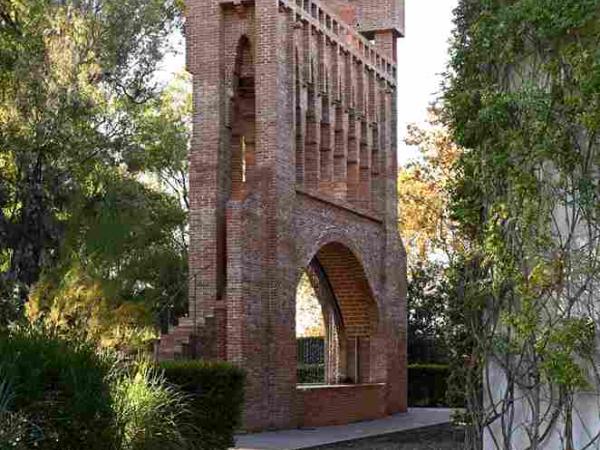
With a distinctive voice of his own, Josep Maria Jujol is one of the most fascinating architects of Catalan Art Nouveau. A collaborator of Antoni Gaudí and a master of works such as Park Güell and La Pedrera, Jujol managed to absorb the formal freedom of the movement and transform it into a unique language, full of colour, imagination and a certain poetic tenderness that sets him apart from any other architect of his era.
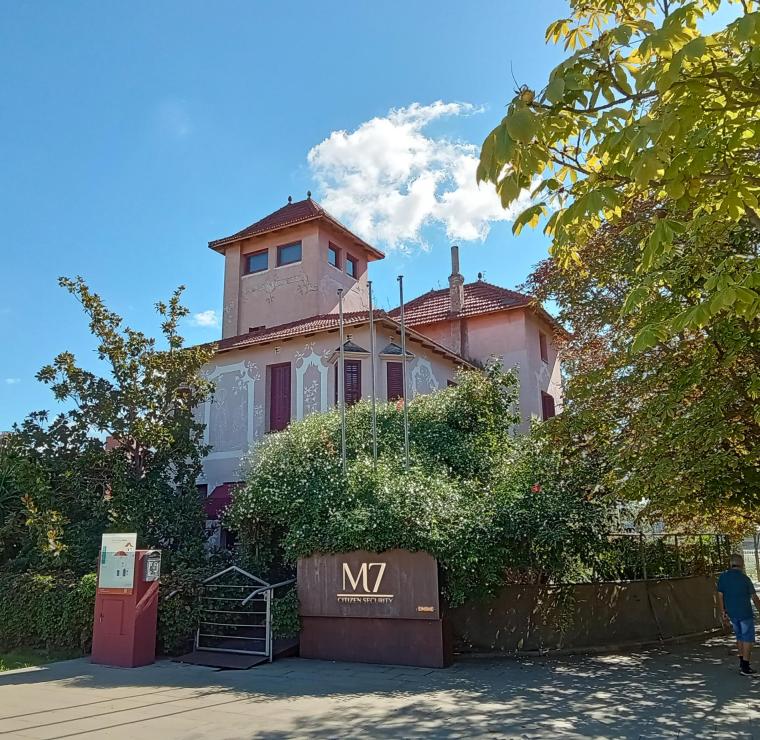
House Camprubí
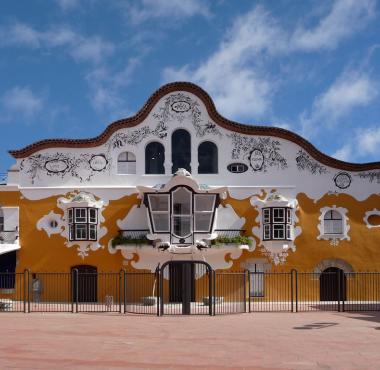
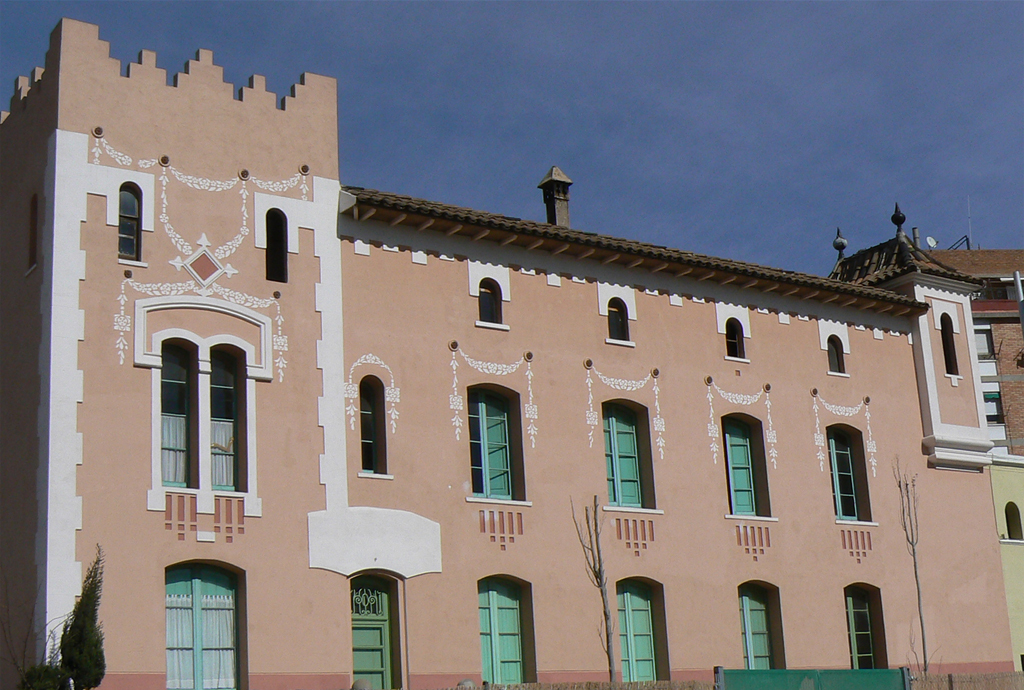
Centre Jujol - Can Negre
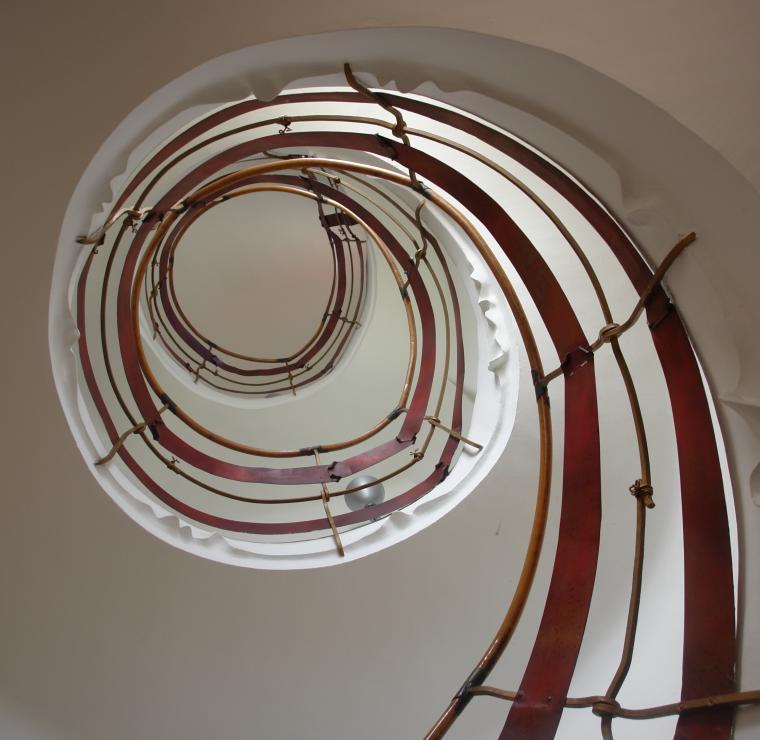
Jujol Modernist Itinerary
House Camprubí
Centre Jujol - Can Negre
Jujol Modernist Itinerary
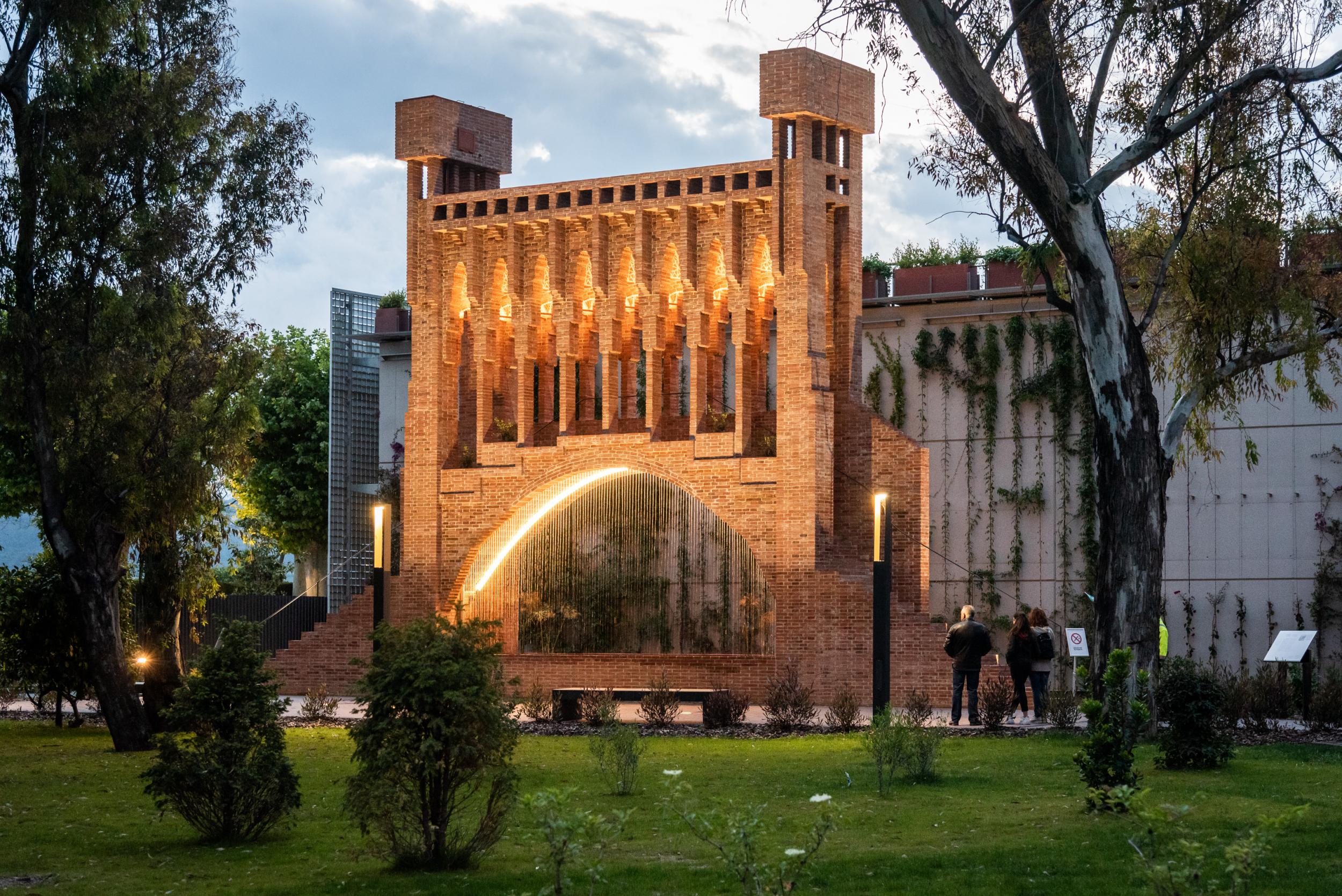
The Gaudí Waterfall
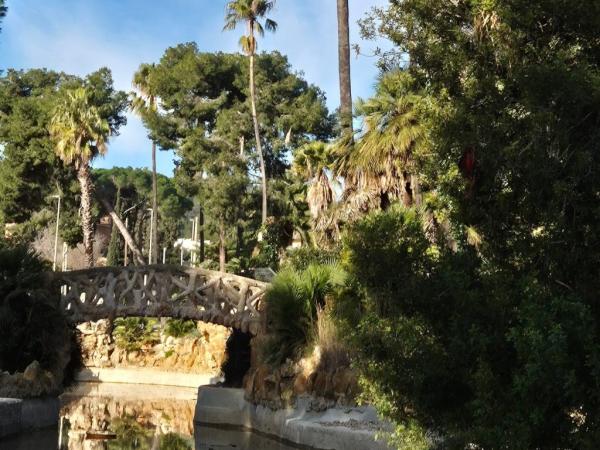
Located in the Museu de les Aigües gardens, this is a faithful, life-size reproduction of the lost fountain that a young Antoni Gaudí built at Casa Vicens, a UNESCO World Heritage Site.
Modernisme Ceramics
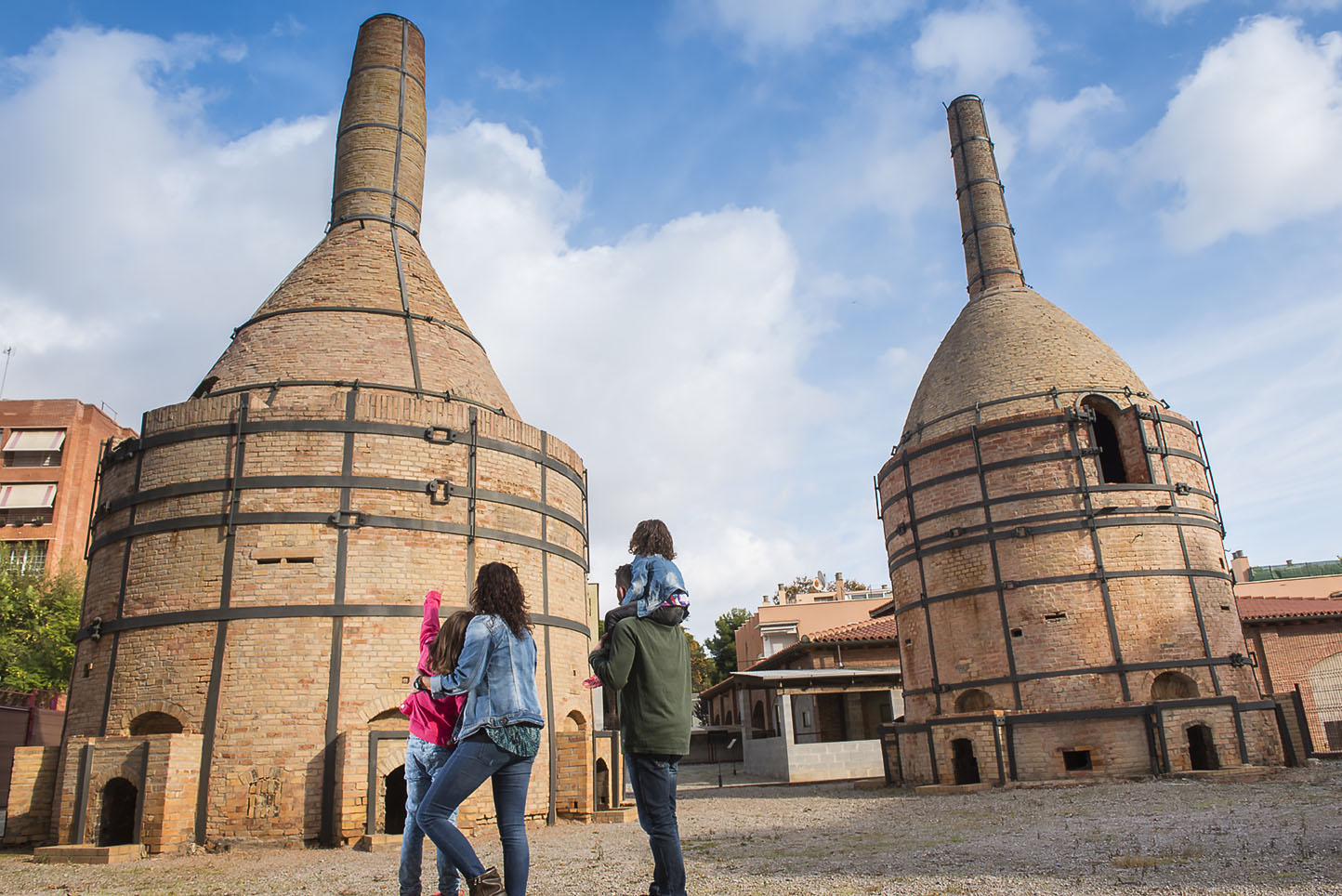
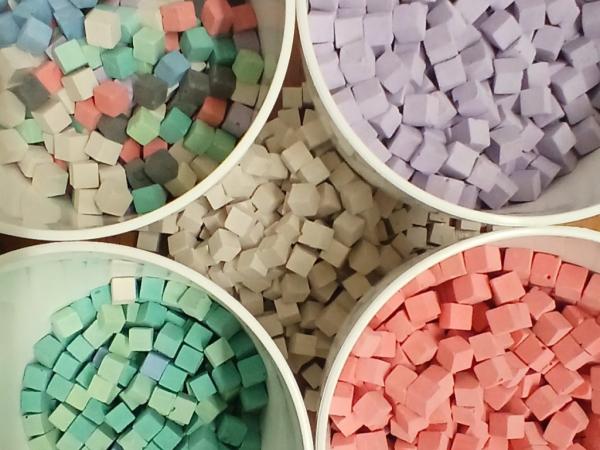
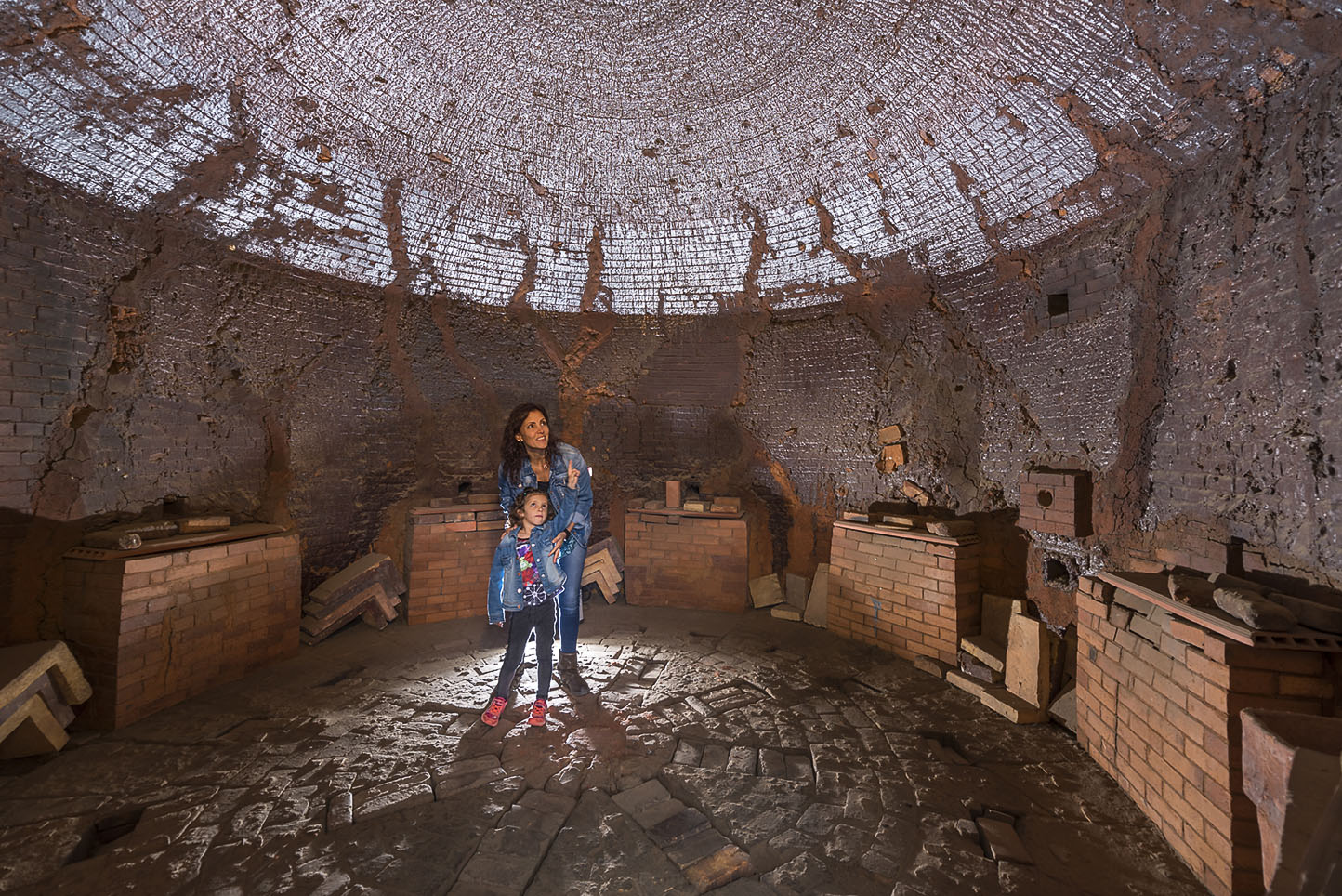
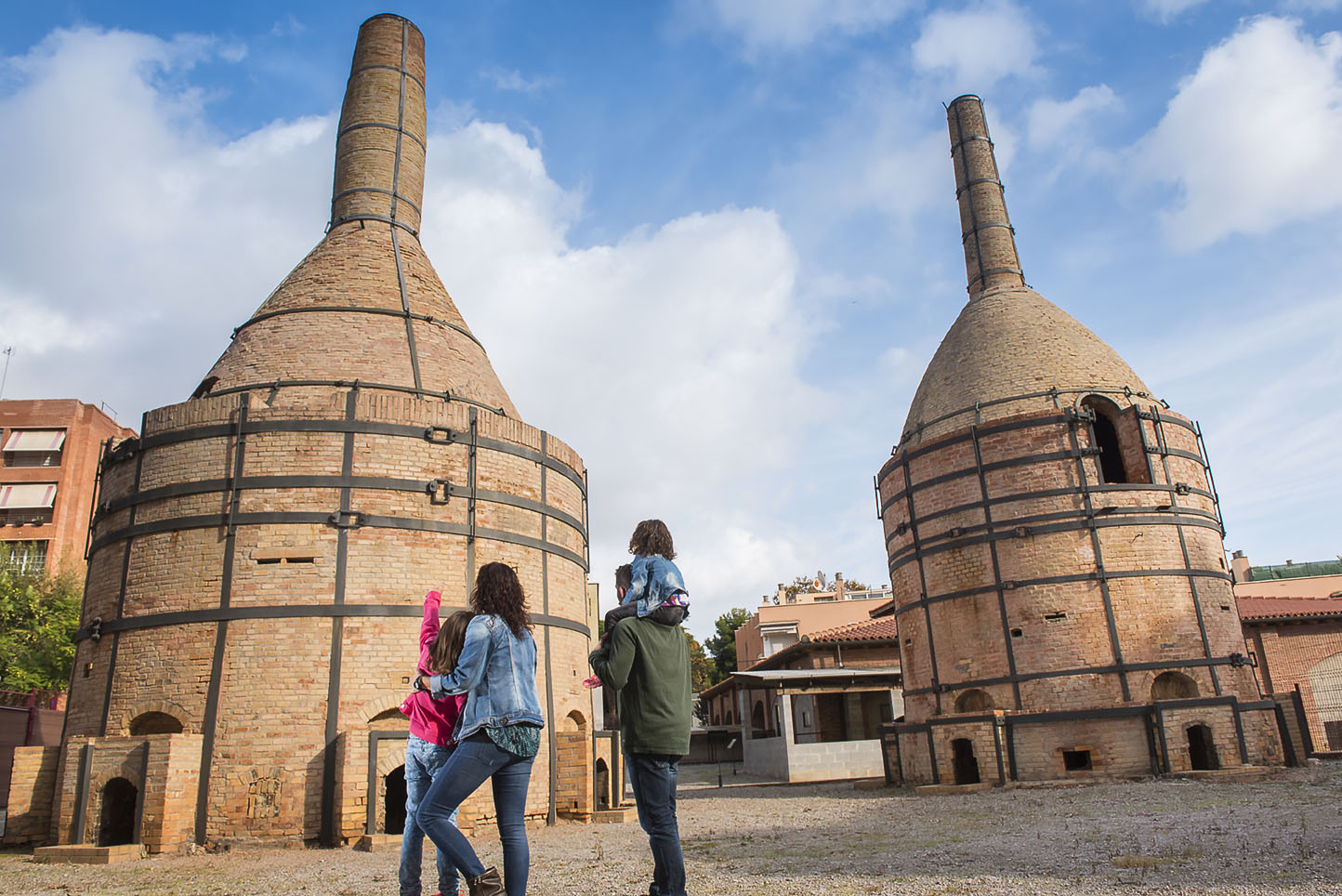
Behind the Modernist façades, there was an industry. The former Pujol i Bausis factory, known as La Rajoleta, in Esplugues de Llobregat,was a ceramics supplier for Gaudí, Jujol, Domènech i Montaner and other renowned architects. Visiting it is stepping into the space where the pieces that would cover the most iconic works of the era were fired. A few steps away, the Can Tinturé Museum – the world's first museum devoted to sample tiles – completes the story: it explains how this element was much more than a building material, a form of art present in the homes of Catalonia and the entire Peninsula since the Middle Ages.
Completa la teva experiència amb la ruta gamificada!
Descobreix el patrimoni modernista del Baix Llobregat a través de jocs, curiositats i reptes.
Només necessites el teu mòbil i entrar en aquest enllaç i comença l'aventura!
Visita dos atractius, completa els seus reptes de la ruta gamificada i aconsegueix un clauer solidari exclusiu!*
*Fins a esgotar existències.
Consulta les bases per a la participació
Sant Feliu, amid Baroque and Modernisme
For those wishing to delve deeper into the town’s Modernist legacy, the Ruta Modernista is the gateway to a scattered yet valuable architectural heritage, reflecting the urban transformation that Catalonia underwent in the late 19th and early 20th centuries.
Infrastructure as a work of art
Josep Amargós’s Modernist building, a water collection and distribution centre, is an example of heritage serving urban infrastructure. The main drinking water pumping station for Barcelona’s metropolitan area, designed in 1905, is now a museum that combines industrial heritage and scientific outreach. The three original rooms — the Boiler Room, the Electricity Room and the Engine Room — still house the original machinery , preserved in an outstanding state of repair, whilst the surrounding gardens, home to the Vicens Waterfall, round off a visit that surprises visitors with its scale and beauty.
Modernisme at Sant Boi de Llobregat
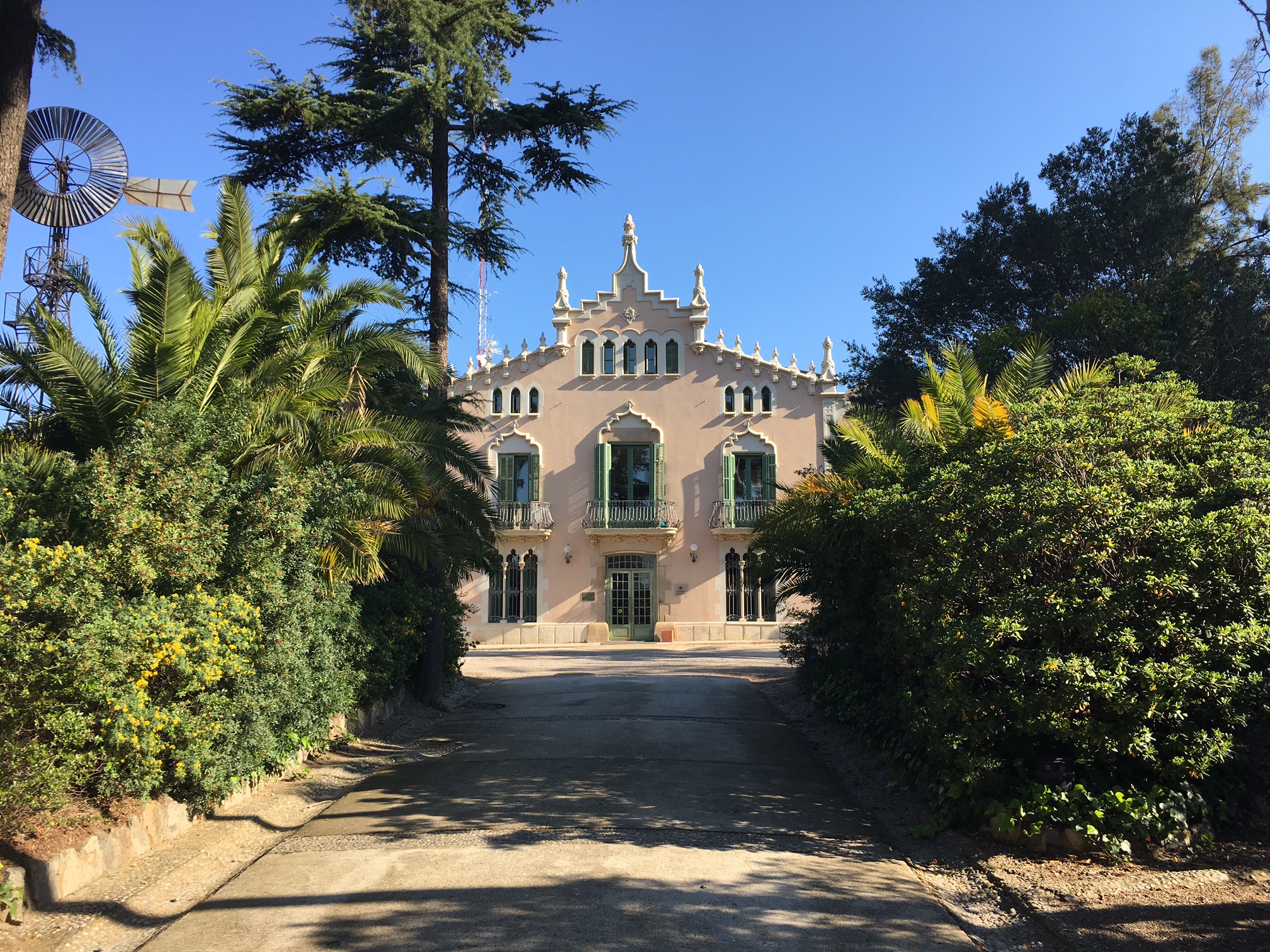
Modernisme was firmly established in Sant Boi in the early 20th century featuring landmarks such as parc Marianao and the Torre de la Miranda , both designed by Ramon Fontseré,(a pupil of Gaudí), as well as in examples of coastal and industrial Modernism such as Can Massallera. The town is also home to the Jardi Invisible , a modernist garden set within the Sant Boi Medical Campus.
Sant Boi is dedicating the year 2026 to the figure of Antoni Gaudí through an extensive cultural, educational and community programme organized jointly by the Town Council and the Sant Joan de Déu Medical Centre.
Modernism legacy
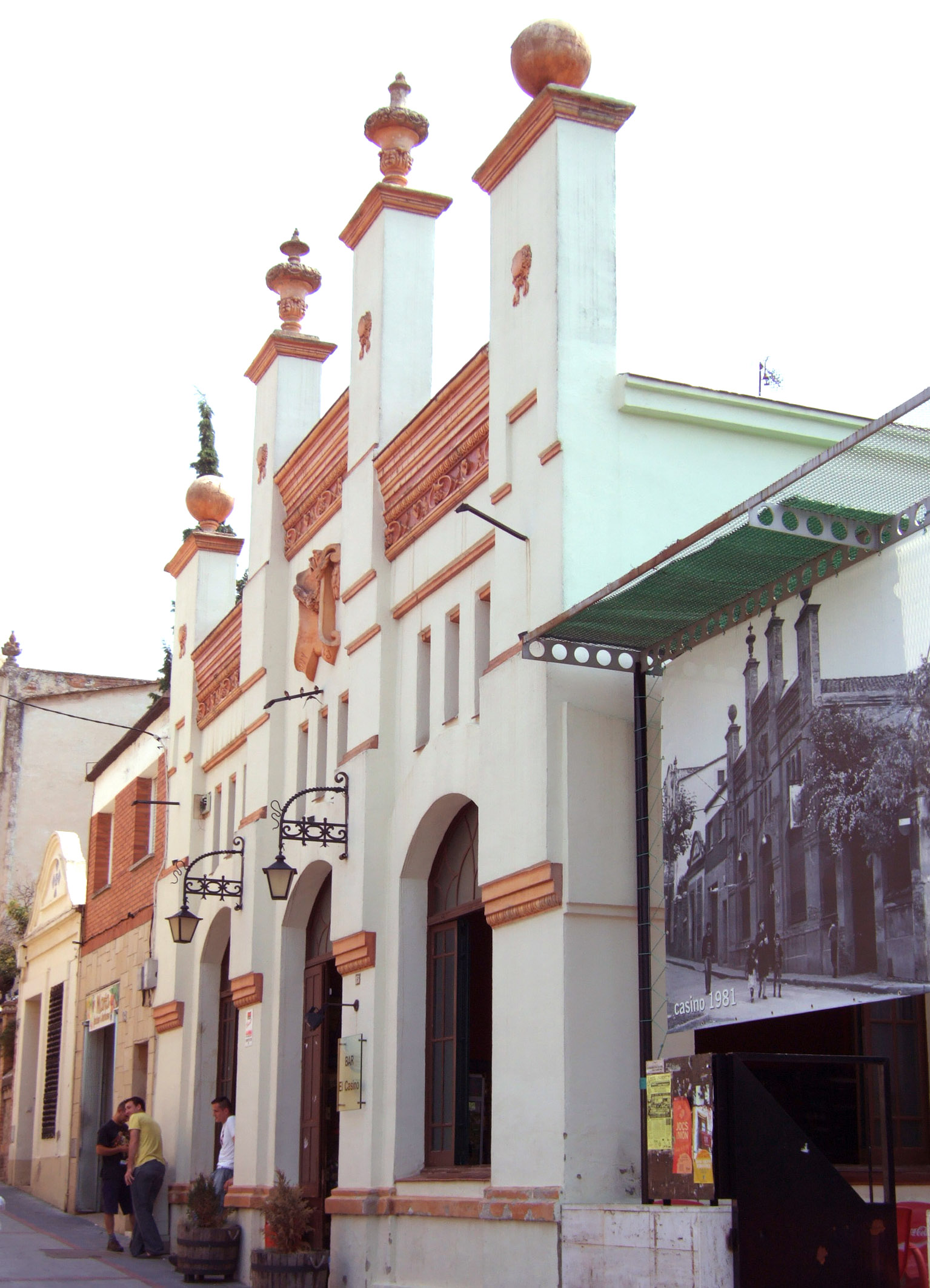
In addition to all these sites, there are other notable examples of Modernist heritage, such as Can Ginestar in Sant Just Desvern; the Federació Obrera in Molins de Rei; the Granja de la Ricarda in El Prat de Llobregat; and the Casino de Sant Esteve Sesrovires.
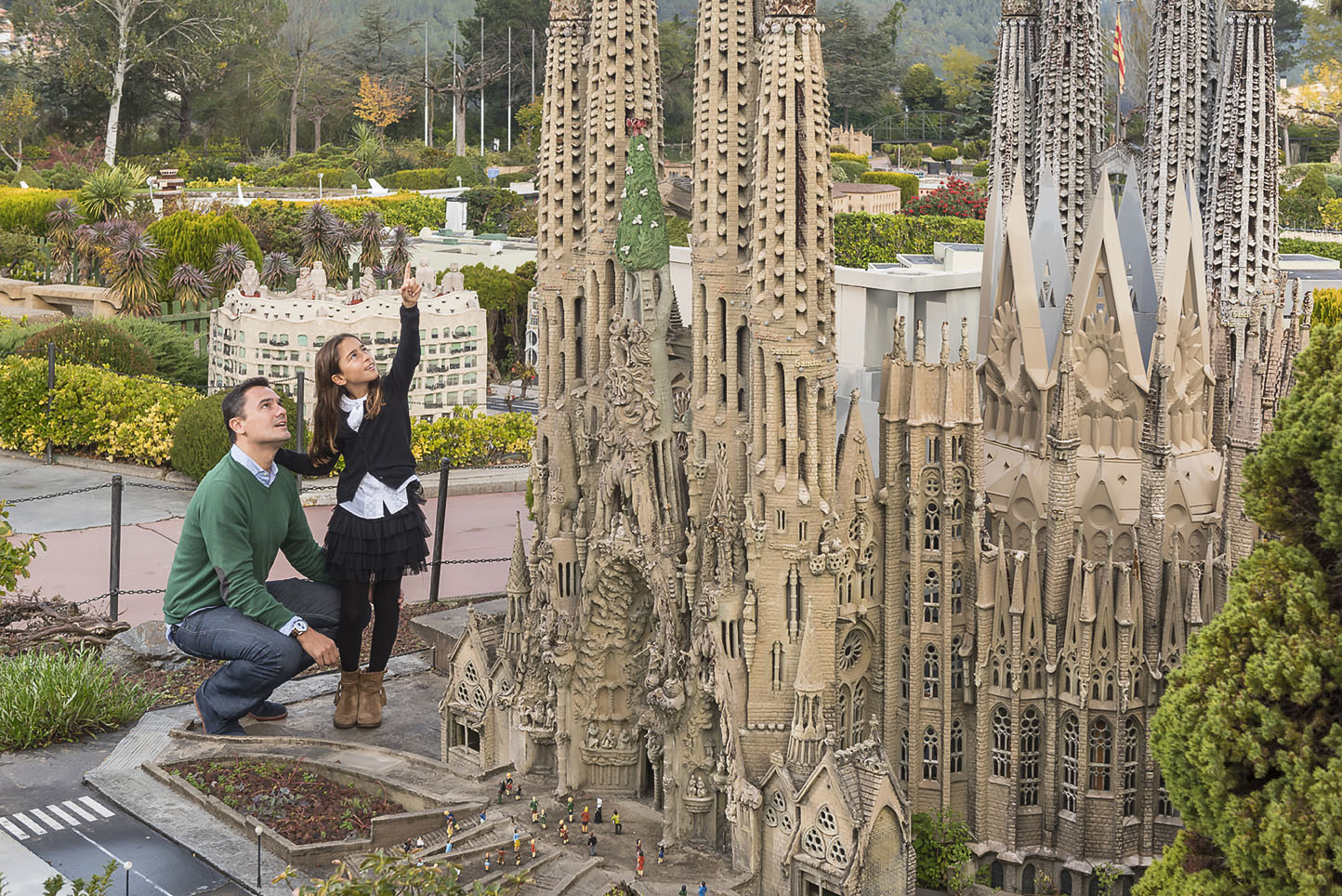
And if you’d like to broaden your understanding of this legacy, at Catalunya en Miniatura in Torrelles de Llobregat, you’ll find scale models of some of Catalonia’s most iconic architectural works.
Visiting the Baix Llobregat goes beyond simply admiring the finished works; it’s an opportunity to discover the creative processes, the trades, and the collaboration among the movement’s architects, artists, and artisans—and to delve into this Modernist legacy through a unique, authentic, and accessible heritage experience.
A region that inspired Gaudí
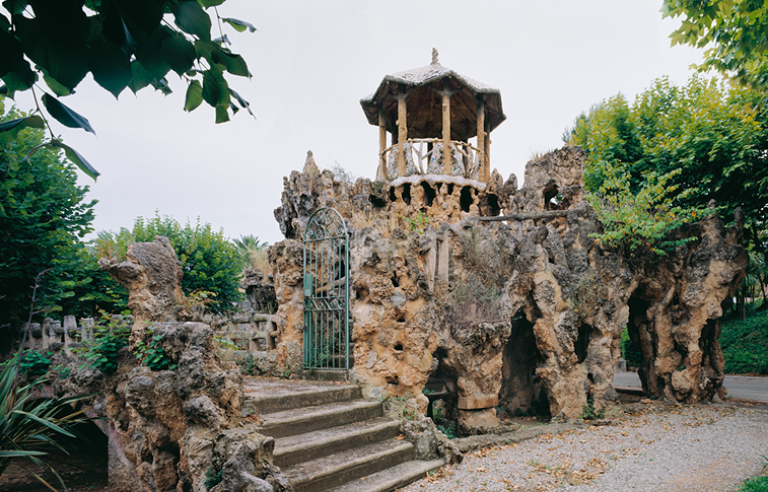
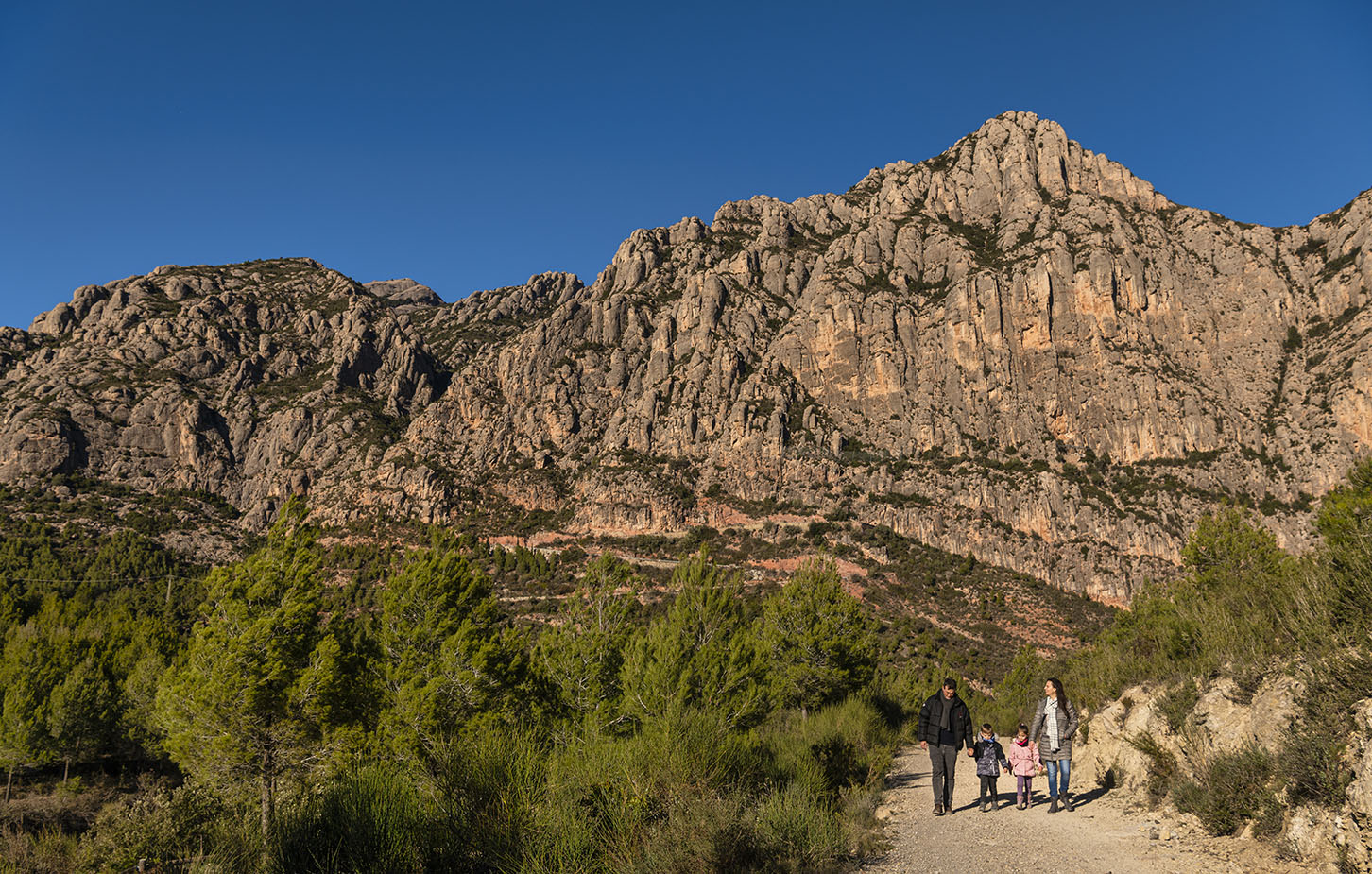
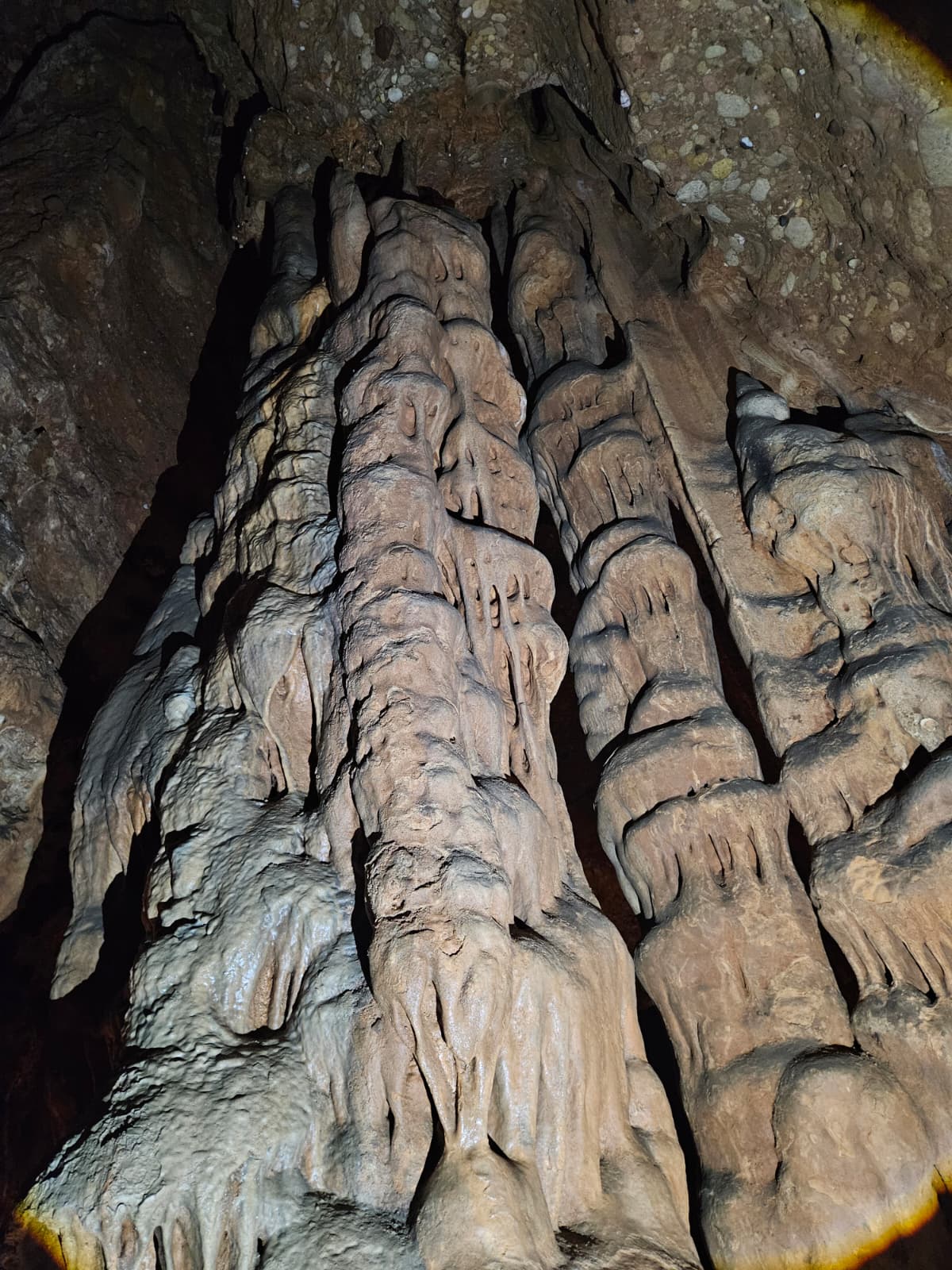
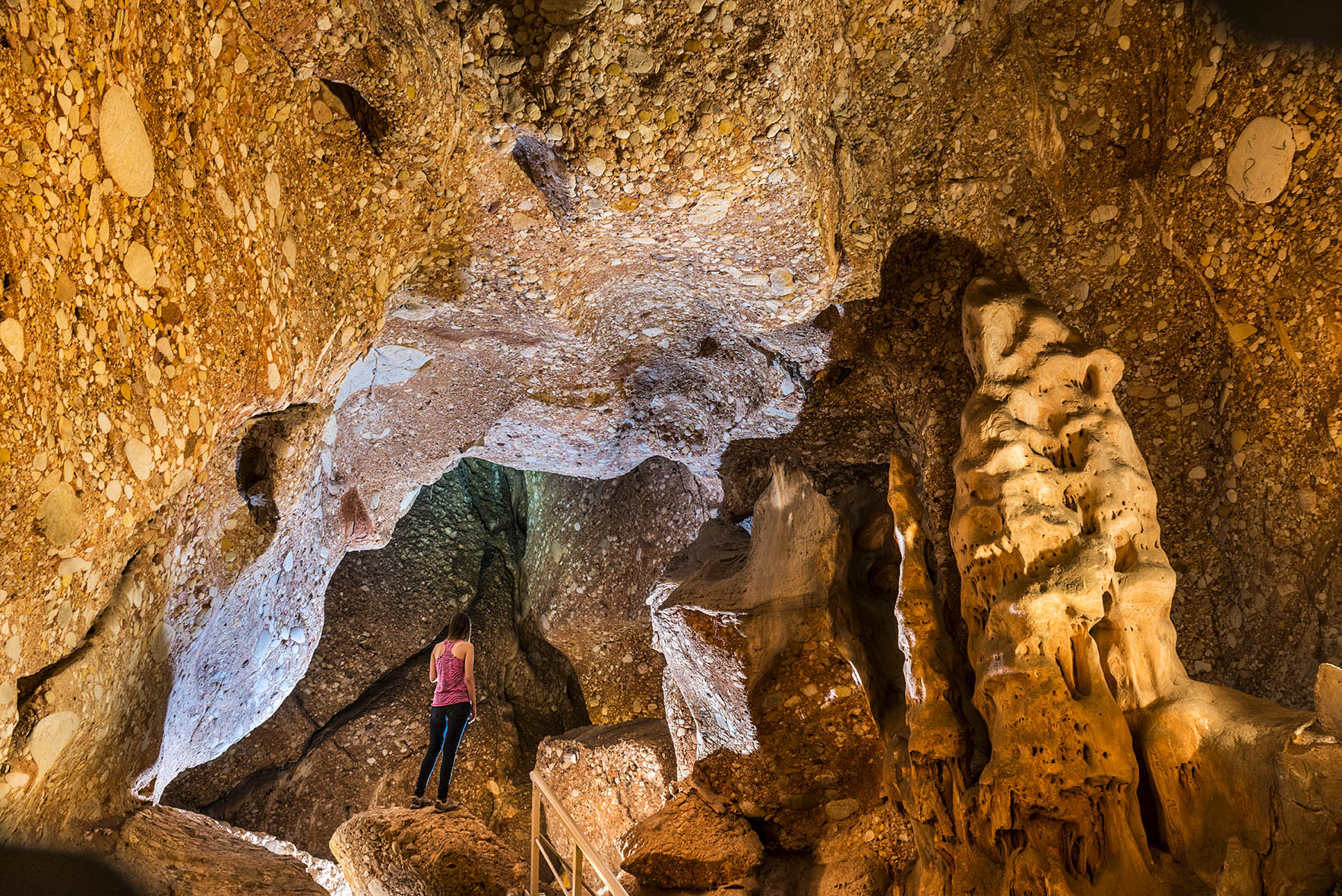
Nature was Antoni Gaudí’s ultimate muse, and the majestic mountain of Montserrat alongside the Salnitre Caves in Collbató are striking proof of it. Local lore says the legendary architect was deeply moved by the caves organic, raw formations during his visits.
This experience beautifully explains the striking parallels with the Sagrada Família. The rock’s undulating shapes and unique textures directly mirror Gaudí’s signature architectural style, vividly captured in the basilica’s soaring towers and intricate façades.
While no formal documents survive to prove this direct link, Gaudí knew the Montserrat landscape intimately, viewing nature as the perfect model of structural harmony. It is easy to see how the Salnitre Caves became a vital part of his creative world.
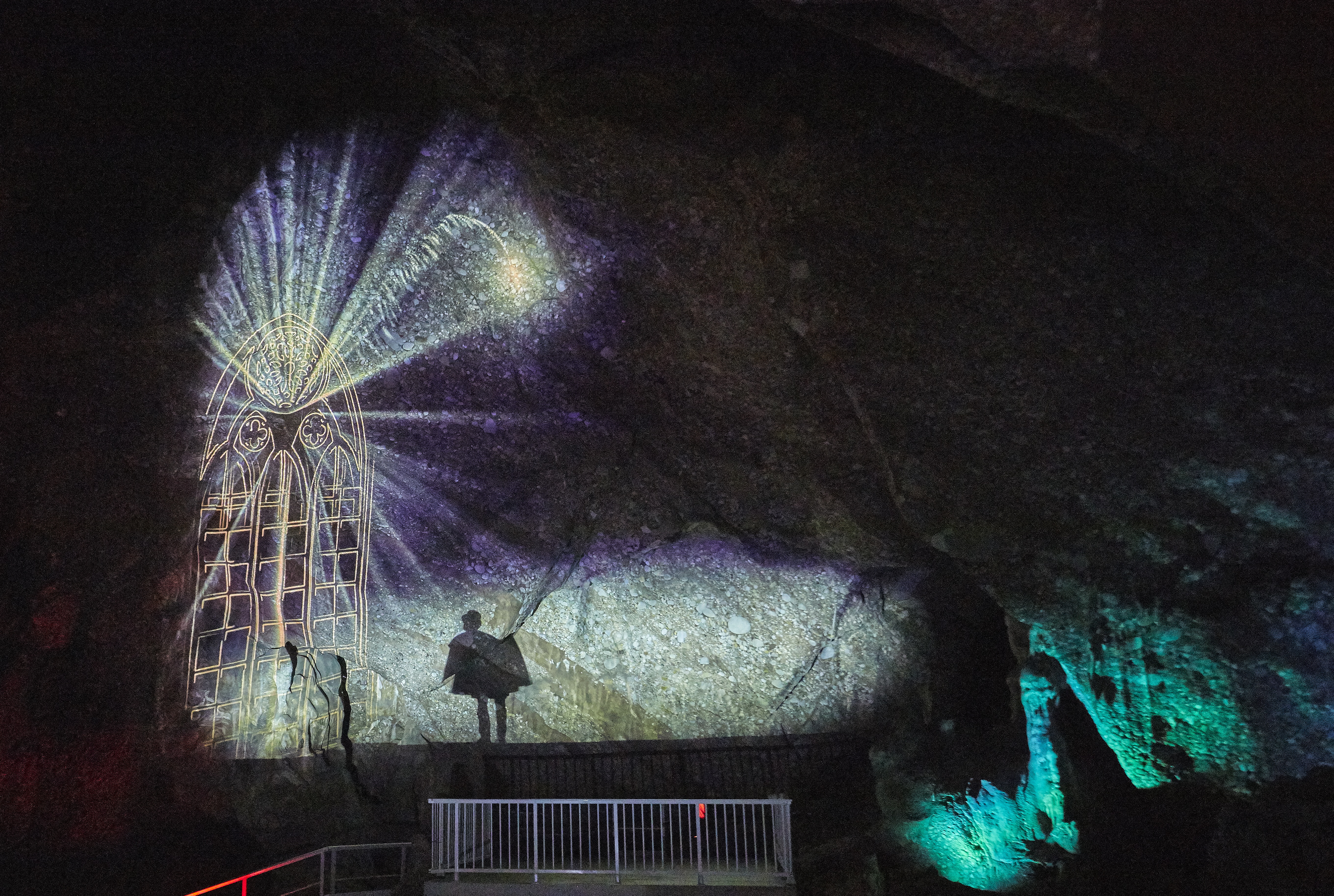
In fact, those who venture into the caves today will discover a chamber named ‘La Sagrada Família’—the very spot where the master architect's profound connection to this underground wonder becomes unmistakable.
Get around by public transport
With smooth connections between Barcelona and the local towns, you can hop from one stunning spot to the next. Ditch the car and enjoy a Modernist getaway that is completely stress-free, comfortable, and 100% sustainable!
Ever heard of the Tram Route? Hop on and discover a stunning lineup of Modernist masterpieces across Cornellà, Esplugues, Sant Feliu, Sant Joan Despí, and Sant Just Desvern—all in just one day! Plus, you'll score exclusive discounts on guided tours and local dining to round off your perfect Baix Llobregat architecture escape.
You can also hop on the FGC train to explore Baix Llobregat’s Modernist treasures! Check out the best routes, mix and match transport options, and enjoy a unique, car-free adventure. Don't forget to unlock exclusive discounts on tours and local dining to round off your perfect cultural getaway!
Baixa al Baix Llobregat. Ferrocarrils t'hi porta!